Why we cook everything over Colorado oak
Gas is easier. Here is why our kitchen starts every day by splitting logs, and what the fire actually does to your food.
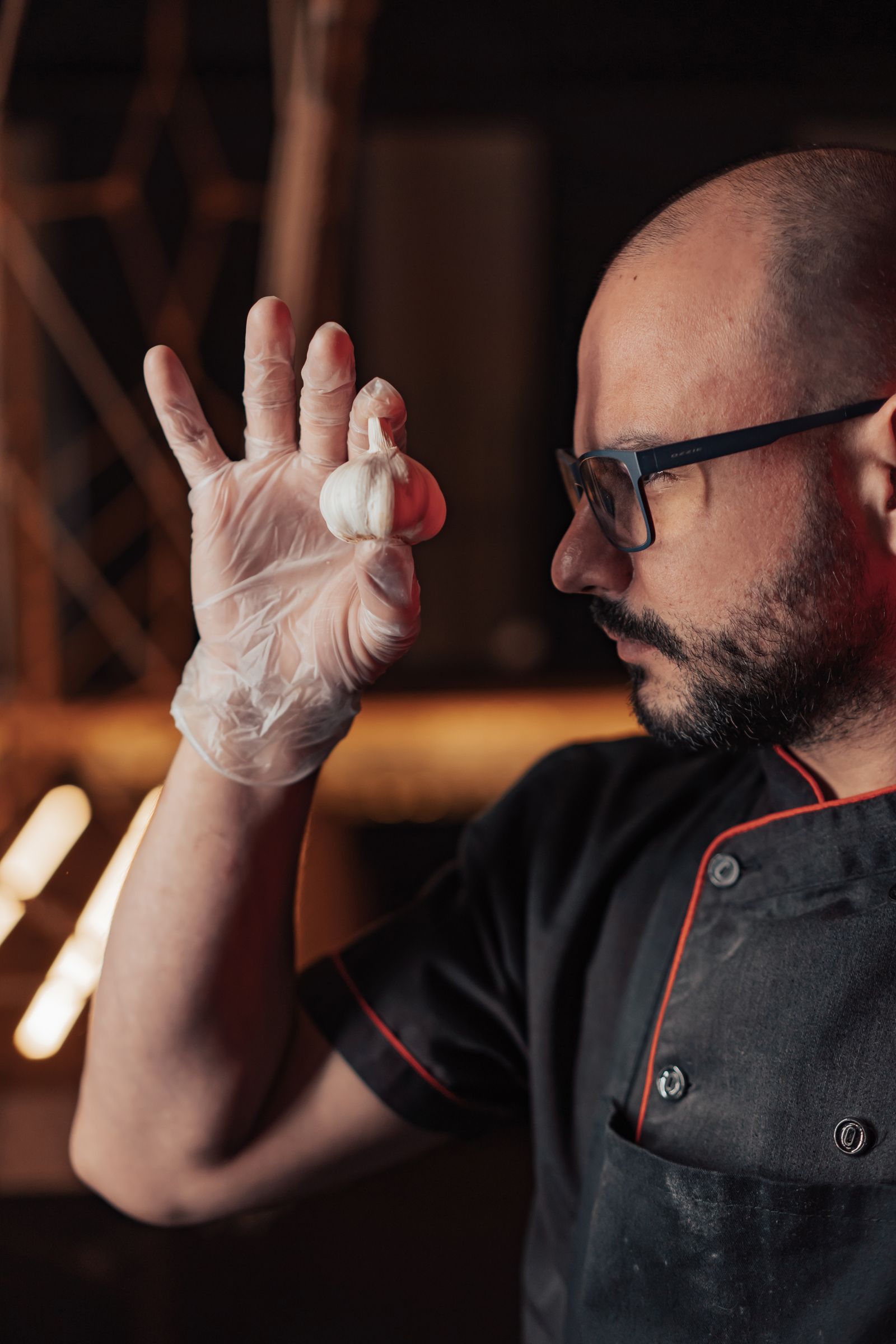 Nadia HaddadChef and owner
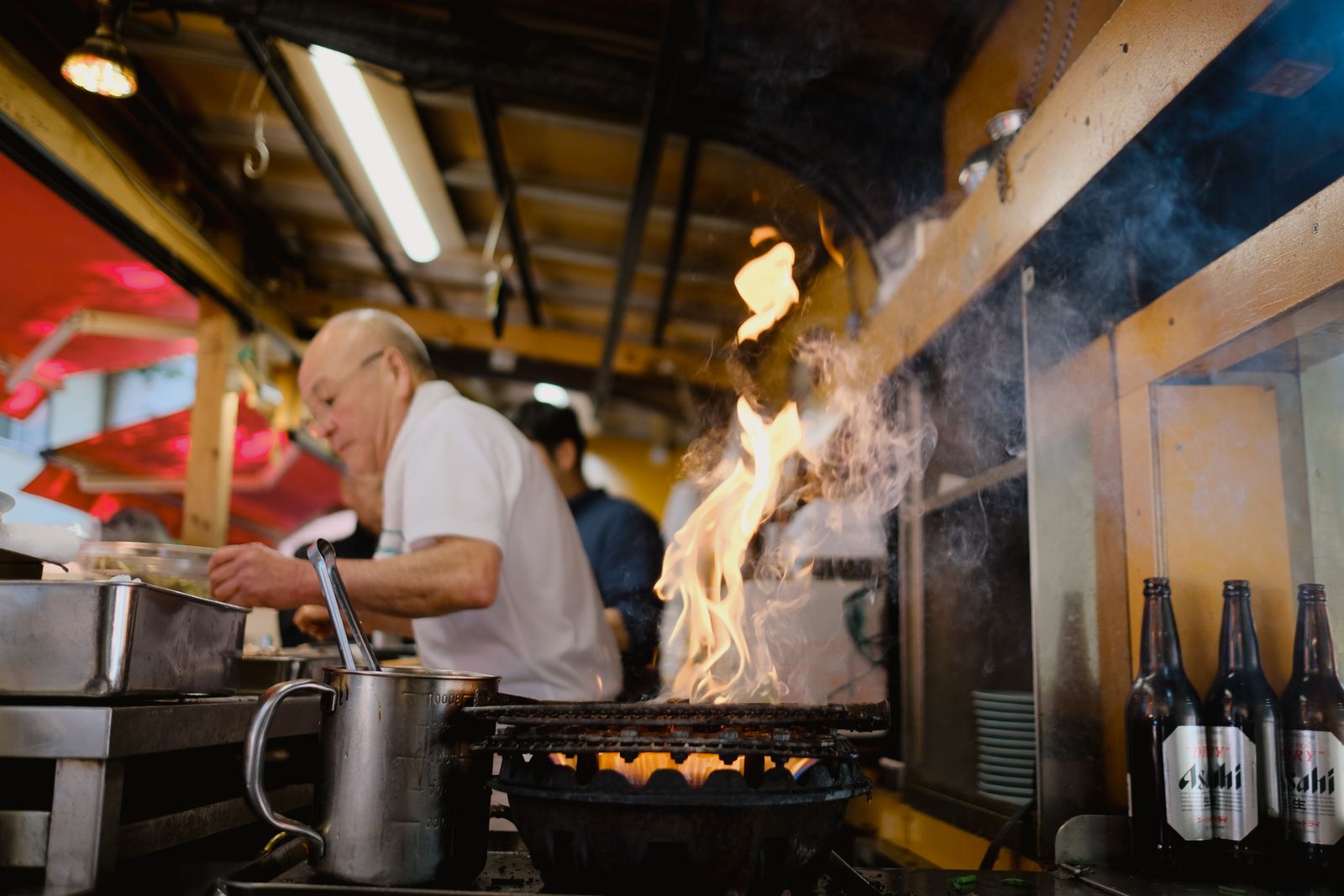
Every morning at Olive & Ember starts the same way. Before the prep lists, before the bread, somebody walks out to the back alley and splits a wheelbarrow of Colorado scrub oak. It is loud, it is dusty and it would be much easier to turn a knob on a gas range. So guests often ask why we bother. The honest answer is that the fire is the menu. Take it away and you would have a perfectly nice Mediterranean restaurant, but not this one.
What wood fire does that gas cannot
A gas flame burns clean and even, which is exactly what you want for a pot of rice. A bed of hardwood coals is different. It radiates intense infrared heat from below and from the sides, which browns the surface of meat and vegetables far faster than hot air can. That fast browning is what gives a lamb chop its crust while the center stays pink.
Then there is smoke. As fat and juices drip onto the coals they vaporize and rise back up into the food, carrying flavors you simply cannot recreate with a burner. Wood itself adds a gentle aroma too. We use mostly oak for its steady, long burn, with a few pieces of cherry for sweetness.
Why Colorado oak
Our oak comes from forest thinning projects on the Western Slope, where overgrown scrub oak is cleared to reduce wildfire risk. We buy it seasoned for at least a year, which matters: green wood smolders and makes bitter smoke, while dry wood burns hot and clean. It also means the wood we burn helps a forest stay healthy instead of being trucked in from out of state.
How a day on the hearth works
The hearth is 14 feet long and has three parts: a Santa Maria style grate that raises and lowers with a hand crank, a wood oven that reaches 750 degrees, and an open area where we bury vegetables directly in the embers. Each needs a different kind of fire.
- 2 pm: the first logs are lit so they can burn down to coals by 5.
- 4 pm: lamb shoulders that braised overnight in the cooling oven come out to rest.
- 4:30 pm: eggplants and whole cauliflower go straight into the embers.
- 5 pm: service starts, and the grill cook adds a log every 20 to 30 minutes to keep the heat steady.
- 11 pm: the fire is banked so the oven holds heat for tomorrow's cakes and brunch.
The grill cook's job is closer to tending a campfire than cooking on a stove. They rake coals into hot and medium zones, raise the grate when fish skin starts to char too quickly, and move skewers around to catch the best heat. Marcus, our chef de cuisine, says he can tell when the fire needs wood by the sound it makes.
You do not control a wood fire. You have a conversation with it, and it answers differently every night.
What to order if you want to taste the fire
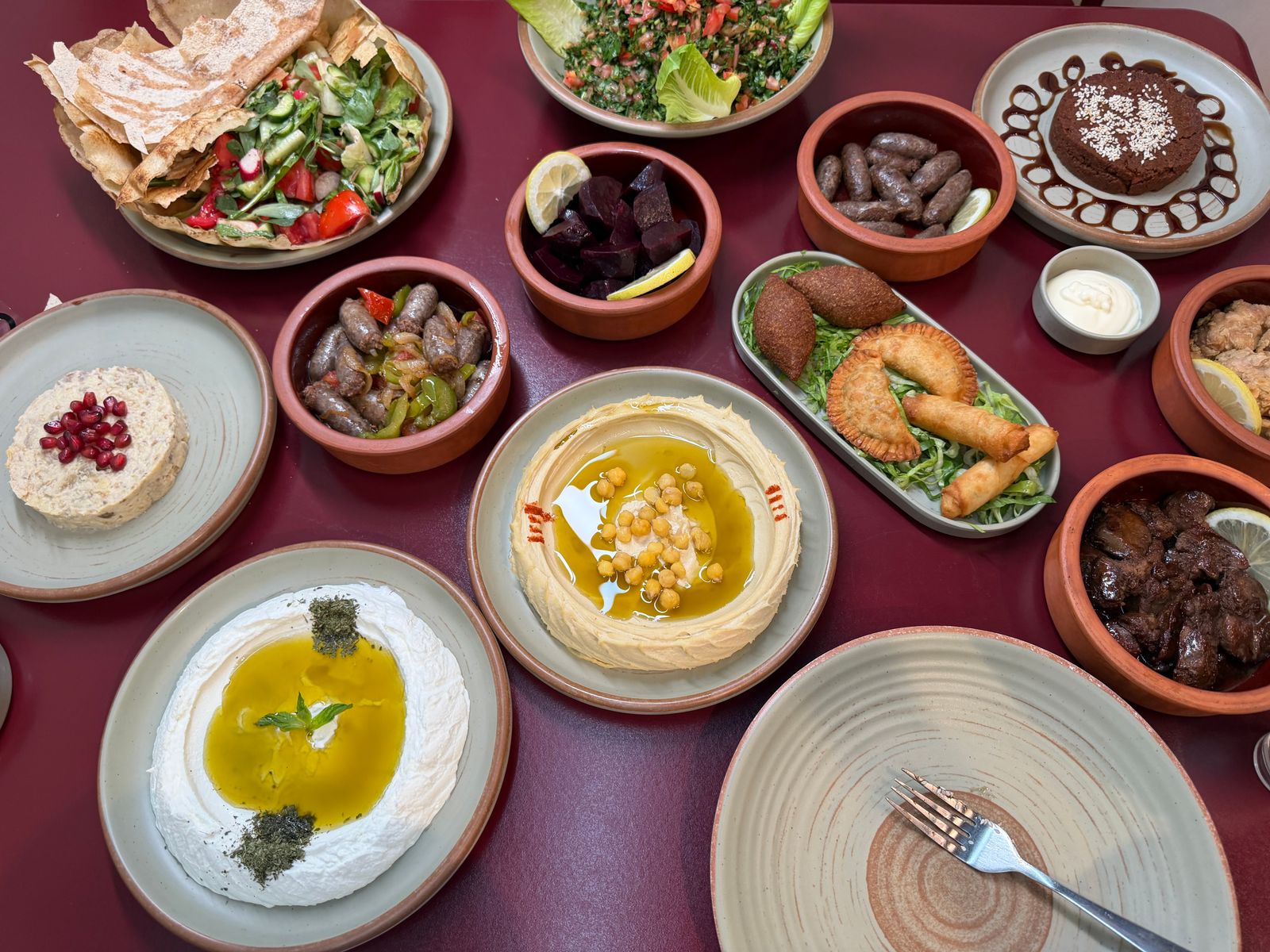
If this is your first visit, start with the smoked baba ghanoush. The eggplant is blistered directly on the logs until it collapses, so the smoke goes all the way through. Then order the half chicken shish taouk, which spends most of its time on the grate, and the hearth cauliflower, which is buried whole in the embers for 40 minutes.
For a bigger night, the lamb shoulder for two shows off everything the hearth does: a slow overnight braise in the falling heat of the oven, then a hard sear over the coals just before it comes to your table.
The downsides we accept
Cooking with live fire is not efficient. It takes three hours to build a fire ready for service, we go through about two cords of wood a month per location, and our cooks work in serious heat. We run a high-efficiency hood system and follow Denver's air-quality rules carefully, and we pause the fire on the rare red-flag days when the city asks restaurants to. On those nights we cook in the oven and tell you so on the menu.
We think the flavor is worth all of it. Come sit at the hearth counter one night, watch the cooks work the coals, and see if you agree.
Taste it at the hearth
Tables open 30 days ahead at all three kitchens. Walk-ins welcome at the bar.