Palisade peaches to Olathe corn: our late-summer menu
Meet the farms behind the August menu, and the three dishes that only exist for six weeks a year.
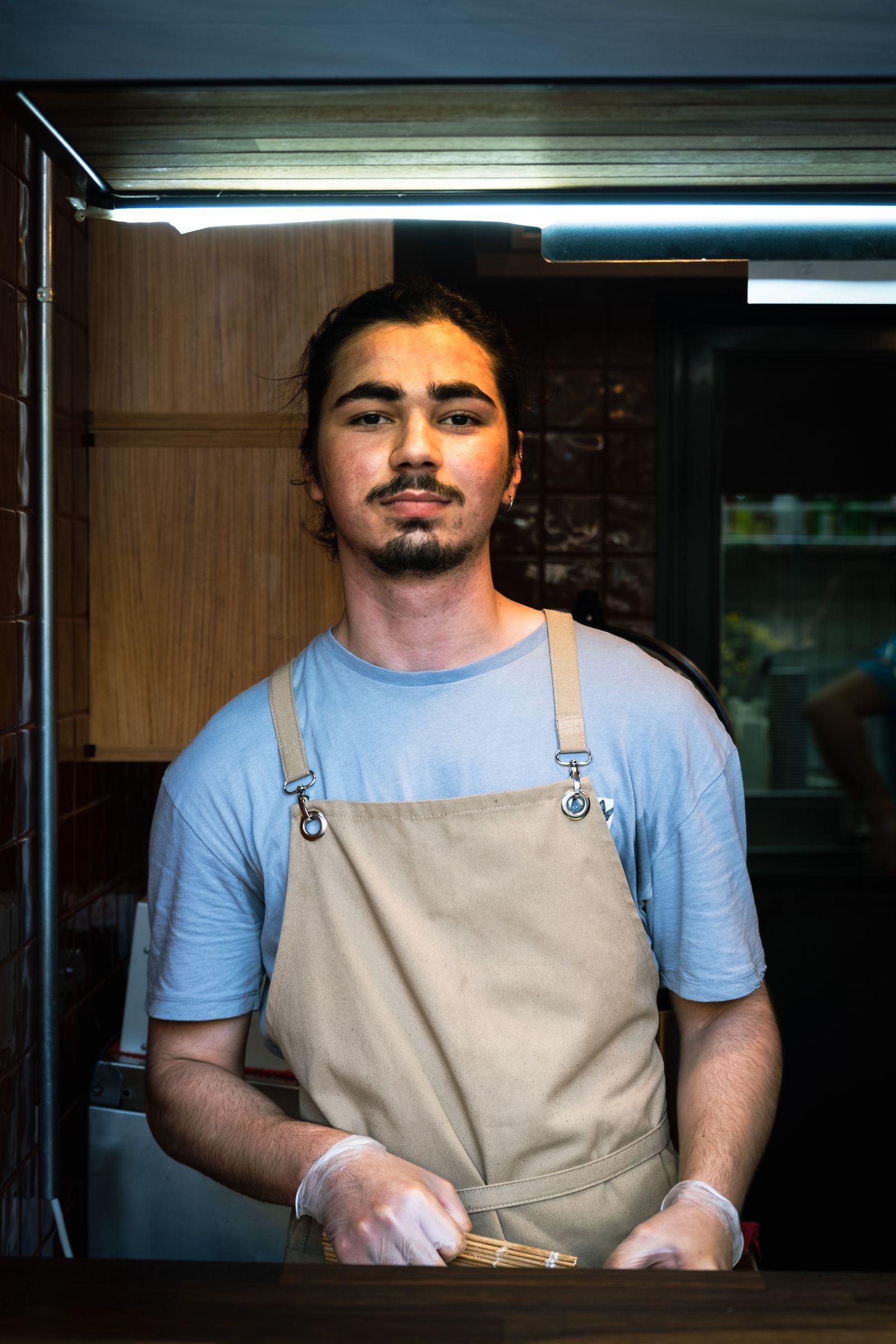 Marcus DelgadoChef de cuisine, RiNo
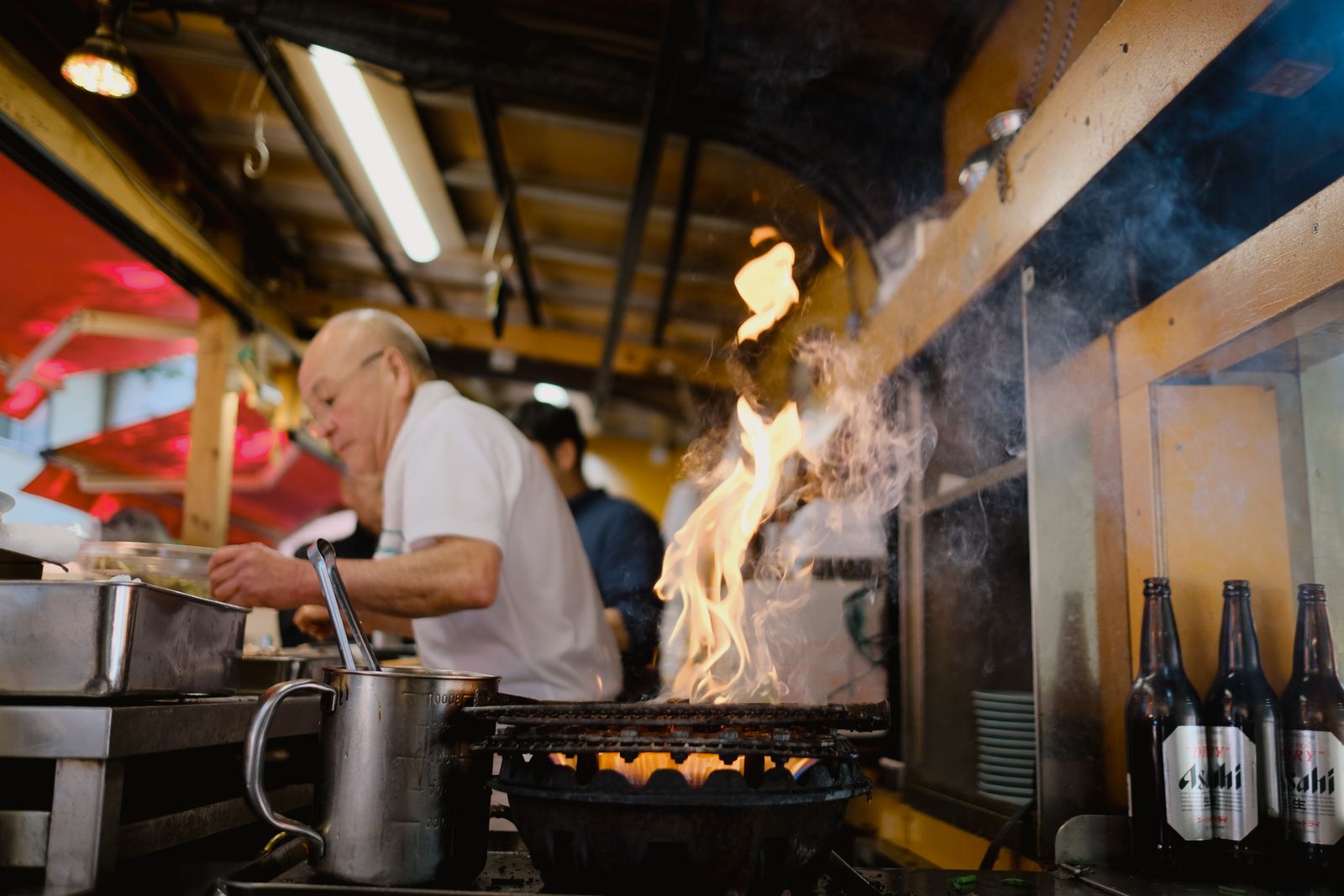
For about six weeks every year, Colorado produce is as good as anything in the Mediterranean. Palisade peaches come in from the Grand Valley, Olathe sweet corn arrives from the Uncompahgre Valley, and Boulder County farms hand us more tomatoes and peppers than we can possibly use. This is when our menu changes the most, and when the hearth really shows off.
The farms we work with
We buy from a small group of growers we have known for years. Most deliveries come twice a week, and a couple of farmers still drop off produce at the back door themselves. The list changes a little each season, but our late-summer core looks like this:
- Stone fruit from a third-generation orchard in Palisade.
- Sweet corn from a family farm outside Olathe.
- Tomatoes, peppers and eggplant from two organic farms in Boulder County.
- Herbs and greens from an urban farm three miles from our RiNo kitchen.
- Lamb from Rocky Mountain Ranch in Craig, year round.
Three dishes you can only get now
Ember-roasted Palisade peaches
We halve the peaches, leave the skins on, and roast them cut side down directly on the last coals of the night. The sugar caramelizes against the embers and the smoke gets into the flesh. They are served warm with honey labneh and a thyme crumble. When peach season ends, so does the dish.
Charred Olathe corn with feta and Aleppo
Whole ears go on the grate in their husks, steaming in their own moisture before we peel back the husks and char the kernels. We cut them off the cob and toss them with whipped feta, Aleppo pepper, lime and mint. It is our Mediterranean nod to Mexican elote, and it sells out most nights.
Heirloom tomato fattoush
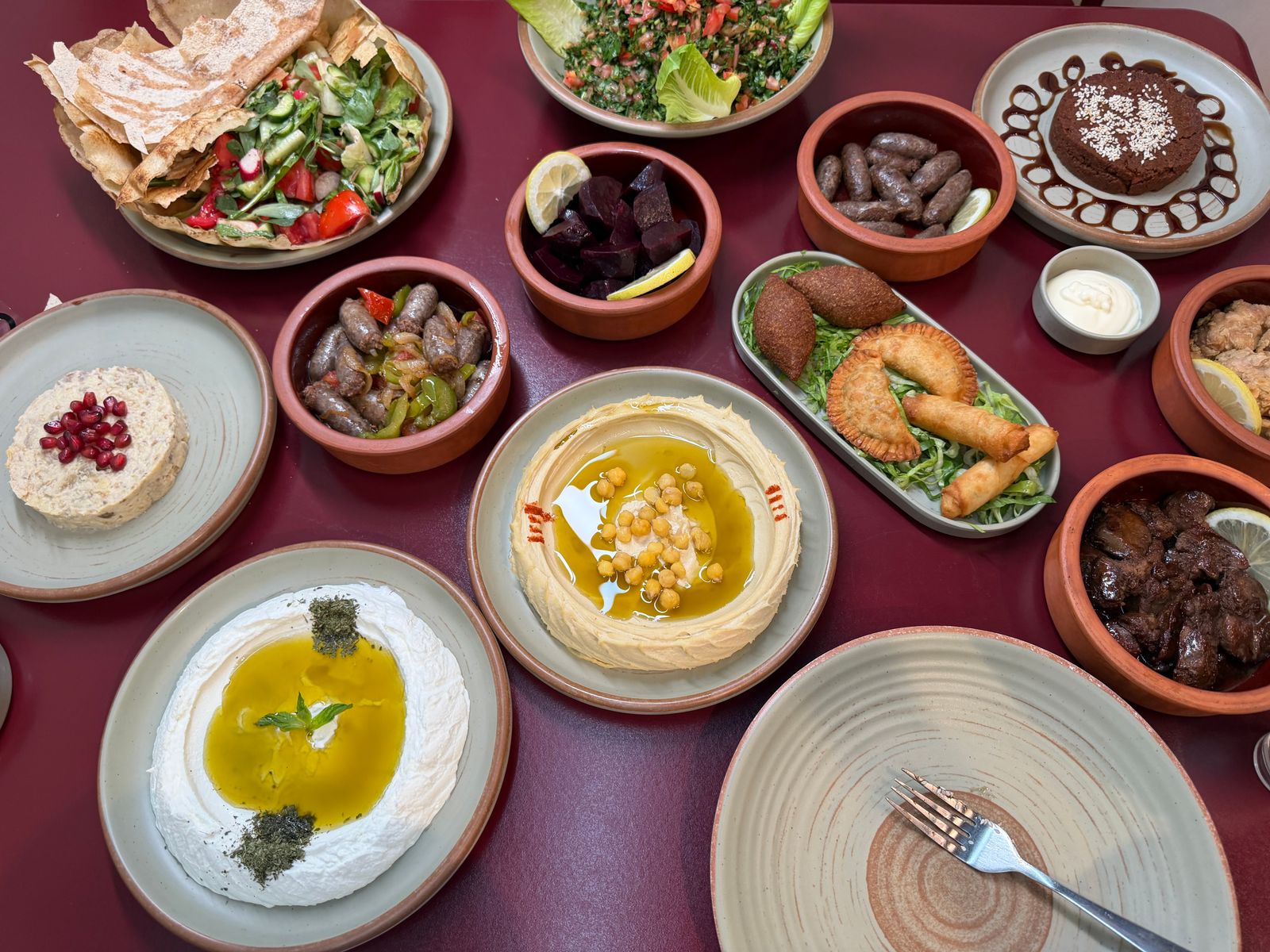
Our year-round fattoush uses little gem lettuce, but in August we rebuild it around heirloom tomatoes of every color, with cucumbers, purslane, sumac dressing and pita fried to order. Nothing is cooked except the bread. The tomatoes do not need help.
In August our job is mostly to get out of the way of the farmers.
Why local matters to how we cook
Fruit that ripens on the tree and travels 250 miles tastes completely different from fruit picked hard and shipped across the country. It is juicier and sweeter, which changes how it behaves on the fire. Ripe peaches caramelize in minutes. Hard ones just dry out. Cooking over wood rewards good ingredients and exposes bad ones quickly.
Buying locally also keeps us honest about the seasons. We do not serve tomatoes in January or peaches in March. Instead our winter menu leans on braises, root vegetables and preserved lemons, which is exactly how people cook around the Mediterranean too.
Catch it before it is gone
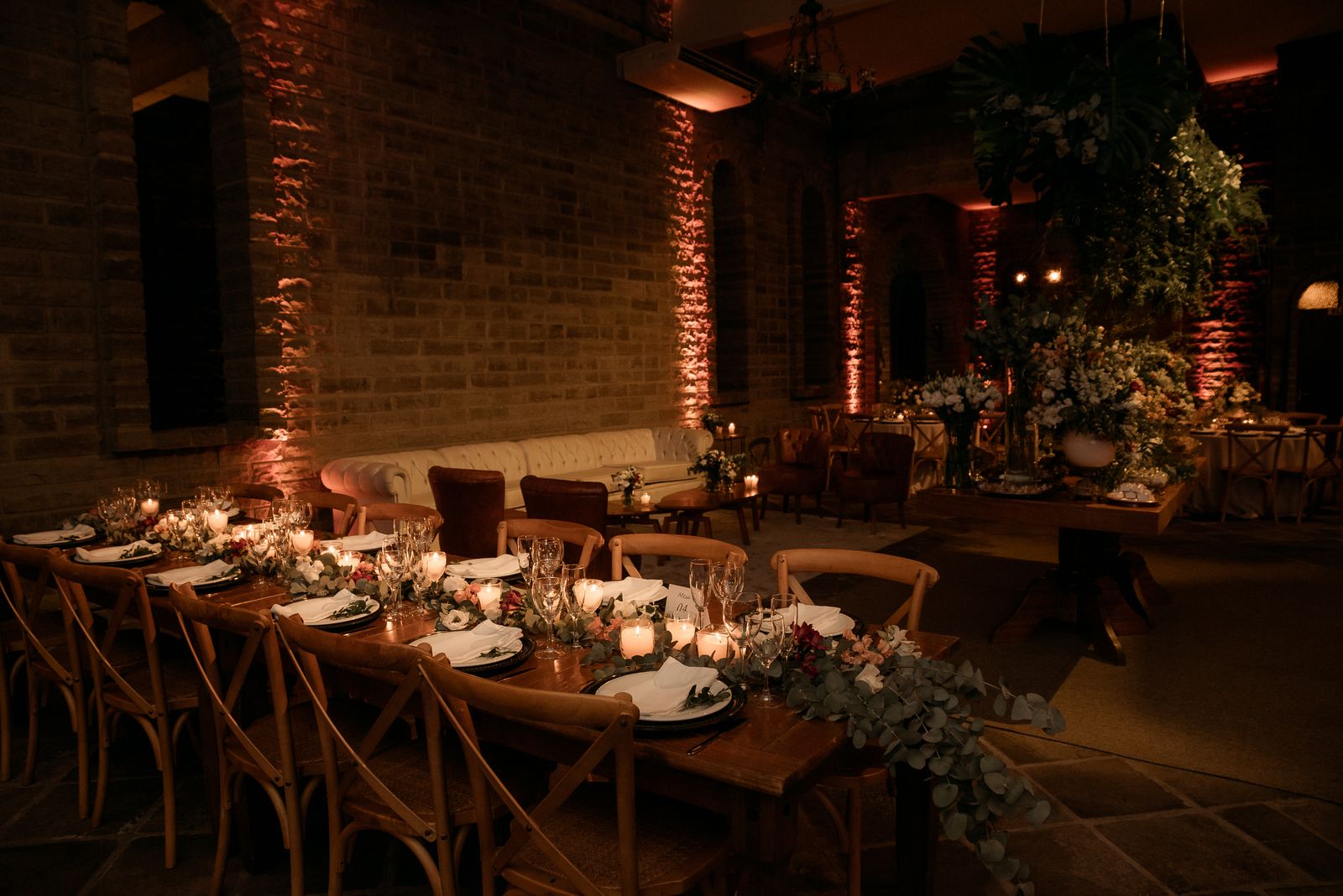
The late-summer dishes usually run from the last week of July into mid-September, depending on the harvest. Book a table soon, sit near the hearth, and order the peaches even if you think you are too full. You are not.
Taste it at the hearth
Tables open 30 days ahead at all three kitchens. Walk-ins welcome at the bar.